


 English
 русский
 Español
 Deutsch
Which Is Easier to Install and Maintain?
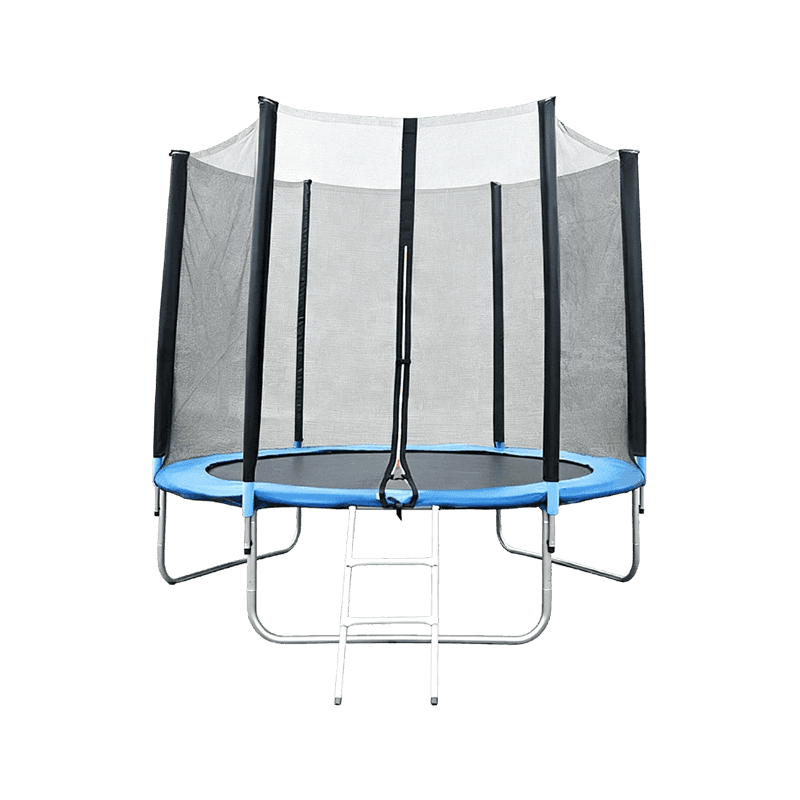
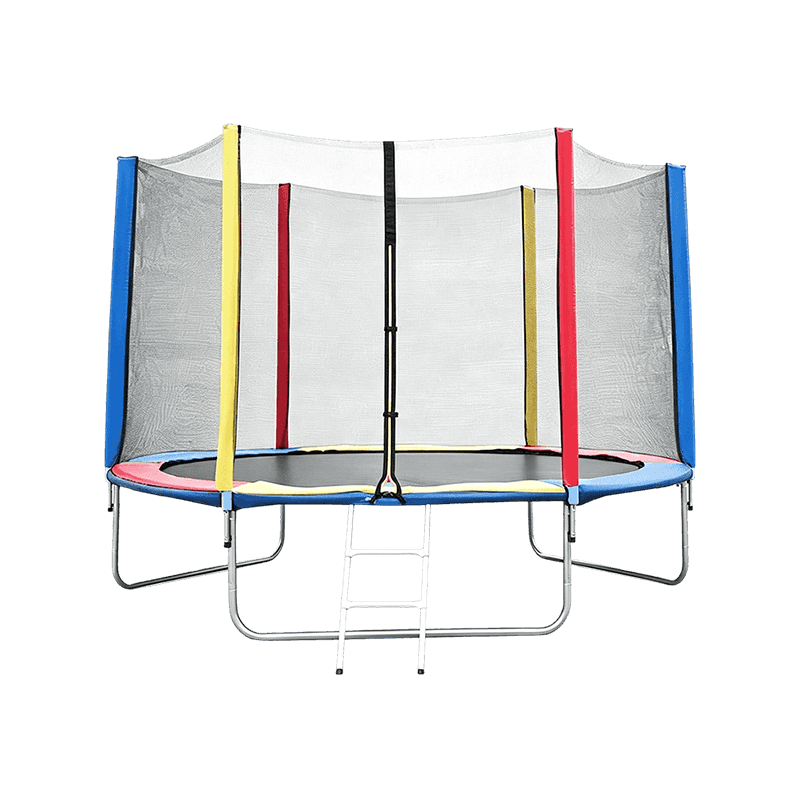
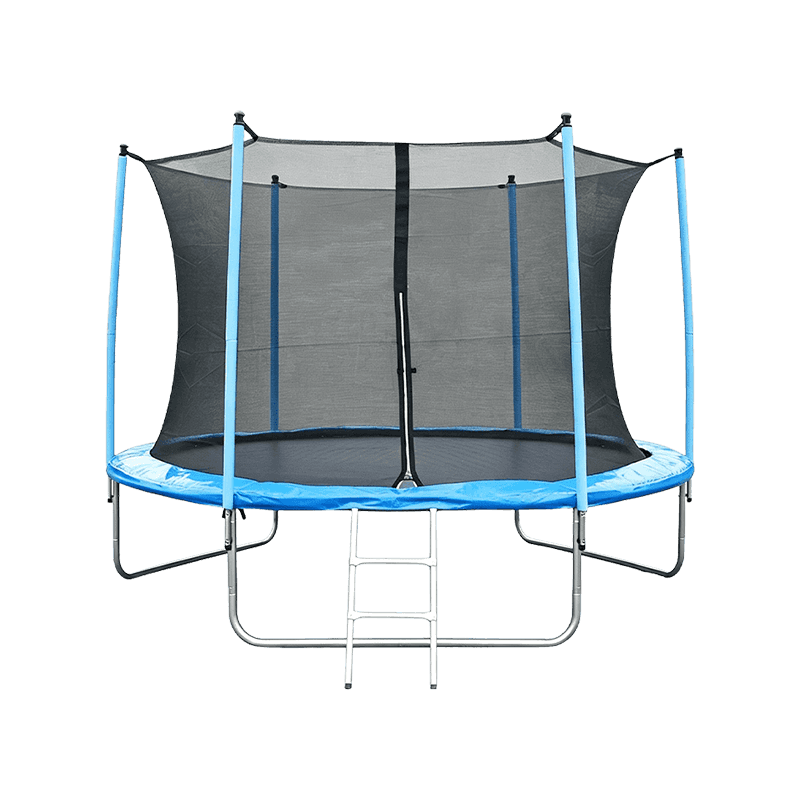
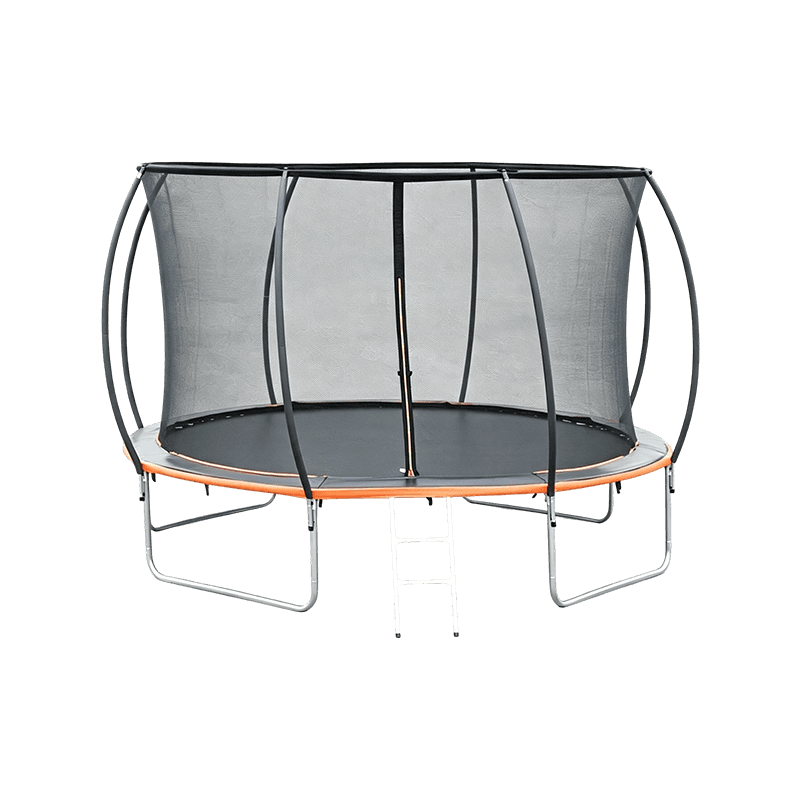
A Backyard Trampoline With Enclosure is easier to install and easier to maintain than an in-ground trampoline. Most families can assemble an above-ground model in 2 to 4 hours with two adults and basic hand tools. An in-ground installation usually takes 1 to 3 days, requires digging a pit, and often needs a contractor, drainage work and a permit check.
Maintenance follows the same pattern. An above-ground frame stays visible and dry, so rust, worn springs and torn netting are easy to spot. An in-ground unit sits in a damp pit, which makes inspection harder and creates a long-term drainage and corrosion challenge.
The in-ground option does have real advantages: a lower fall height, a cleaner look and less wind exposure. This guide explains where each design wins so you can match your choice to your yard, budget and the time you want to spend on upkeep. If you are comparing Outdoor Trampolines for the first time, the sections below cover installation, cost, maintenance, safety and long-term durability in practical detail.
How Installation Works for Each Type
Installing a Backyard Trampoline With Enclosure
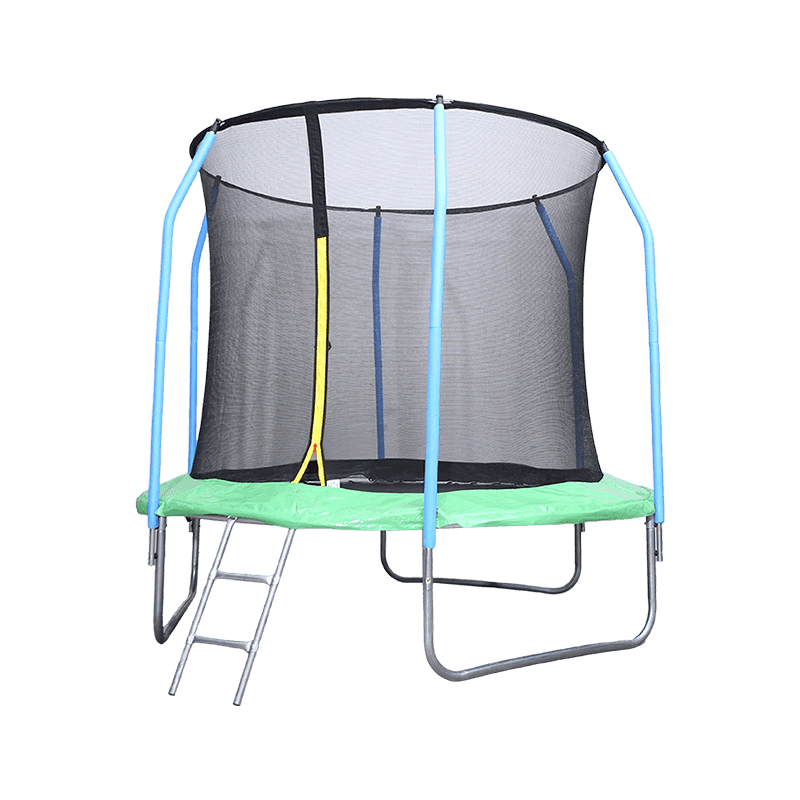
Assembly of a Backyard Trampoline With Enclosure follows a predictable sequence. You lay out the frame sections, connect the legs, attach the jumping mat with springs, fit the safety pad, and then raise the enclosure poles and net. A 12 ft or 14 ft round model typically contains 72 to 96 springs, and the spring step is the slowest part. A spring-pulling tool cuts that stage from about an hour to about 20 minutes.
The only site preparation you need is a flat, level area with clearance of at least 8 to 10 feet above and 6 feet around the frame. Most manufacturers also recommend anchoring the unit with a wind stake kit, which adds another 15 to 30 minutes.
Installing an In-Ground Trampoline
An in-ground trampoline starts with excavation. The pit must be slightly wider than the frame and about 2.5 to 3.5 feet deep, depending on the model. A 14 ft pit means removing roughly 5 to 8 cubic yards of soil, which weighs several tons. You then need a retaining wall or rigid liner, a drainage layer of gravel, and often a drainage pipe or sump to keep water from pooling.
Before digging, you must locate underground utilities, check local building rules and consider how roots and soil type affect the pit. Clay soil holds water and makes drainage far harder, while sandy soil drains well but can collapse during digging. Many homeowners hire a landscaper, which turns a weekend project into a professional job.
Installation Time, Labor and Tools Compared
The gap between the two designs is large once you count labor, equipment and preparation. The table below shows typical figures for a 12 to 14 ft round trampoline.
| Factor | Backyard Trampoline With Enclosure | In-Ground Trampoline |
|---|---|---|
| Setup time | 2 to 4 hours | 1 to 3 days |
| People needed | 2 adults | 2 to 4 people or a contractor |
| Heavy equipment | None | Mini excavator or heavy manual digging |
| Site preparation | Level ground and clearance | Excavation, retaining wall, drainage |
| Reversibility | Fully movable or removable | Permanent; refilling the pit is costly |
Upfront and Long-Term Cost Differences
Price shapes the decision for most households. A quality Backyard Trampoline With Enclosure in the 12 to 14 ft range typically costs $300 to $900, including the net and safety pad. An in-ground model of similar size is often priced higher because of its specialized frame, and the digging and drainage work can add $500 to $2,500 or more if you hire help.
Remember that an in-ground unit usually needs a safety net as well if children will use it unsupervised, which adds to the budget. Above-ground models include the enclosure in the base price, so the quoted figure is closer to the real total.
- Above-ground total: usually $300 to $900, with no excavation cost.
- In-ground total: often $1,000 to $3,500 or more once digging, drainage and finishing are included.
- Resale or relocation: an above-ground unit can be taken apart and moved; an in-ground pit cannot.
Maintenance of an Above-Ground Trampoline With a Net
The main advantage of a Backyard Trampoline With Enclosure is visibility. Every part, from the frame joints to the stitching on the mat, is exposed to air and light, so problems appear early and can be fixed quickly. Most routine tasks take less than 30 minutes.
Monthly and Seasonal Tasks
- Check the springs for stretching, rust or missing units, and replace any that are damaged.
- Inspect the jumping mat for small tears, frayed stitching and sun-faded patches.
- Test the net zipper and net poles, and tighten any loose bolts or connectors.
- Wipe the safety pad and mat with mild soap and water to remove dirt and debris.
- Remove leaves, branches and standing water after storms.
Expected Lifespan and Replacement Parts
With regular care, a galvanized steel frame can last 8 to 15 years. Soft parts wear faster: nets and pads often need replacing every 2 to 5 years, and mats every 3 to 7 years depending on sun exposure. Because all of these parts attach from above, swapping them is a straightforward job. In winter you can also remove the net to protect it from heavy snow.
Maintenance Challenges of an In-Ground Trampoline
An in-ground trampoline looks tidy, but the pit that makes it attractive also makes it harder to maintain. The frame and springs sit below ground level, where humidity, soil moisture and poor airflow speed up corrosion. Inspecting the underside means lifting or reaching under the mat, which most owners do far less often than they should.
Drainage and Moisture
Drainage is the most common long-term problem. If rainwater collects in the pit, the frame can corrode, mold can grow and insects can nest below the mat. Even a good gravel base can clog over time with silt and leaf matter, so owners often need to clear drains once or twice a year. In wet climates a small pump may be necessary.
Airflow and Pests
A pit restricts airflow, which can make the jumping experience slightly stiffer because air cannot escape freely from beneath the mat. Vents in the retaining wall help, but they also let in small animals and debris. Cleaning out the pit regularly is a chore that above-ground owners never face.
Maintenance Comparison at a Glance
| Maintenance Task | Backyard Trampoline With Enclosure | In-Ground Trampoline |
|---|---|---|
| Frame and spring inspection | Easy, visible from the side | Difficult, requires access under the mat |
| Drainage management | Not required | Required once or twice a year |
| Rust risk | Low to moderate | Moderate to high in damp soil |
| Cleaning effort | Simple wipe-down | Includes clearing debris from the pit |
| Part replacement | Quick, parts reachable from above | Slower, often needs partial disassembly |
Safety Considerations That Affect Setup and Upkeep
Safety is where in-ground designs earn their reputation. Because the jumping surface sits close to ground level, falls are shorter, and many parents find that reassuring. However, a lower fall height does not remove risk. Landing on hard soil or a retaining wall can still cause injury, and children can crawl under or around the mat edge if the surround is poorly finished.
A Backyard Trampoline With Enclosure addresses a different risk. The net keeps jumpers from falling off the sides, which are among the most common injury scenarios on Outdoor Trampolines. The enclosure does need regular checks, though. A torn net, a loose zipper or a bent pole defeats its purpose, so inspect these parts before each season and after severe weather.
- Always limit use to one jumper at a time, which sharply reduces collision injuries.
- Keep a clear zone of about 6 feet around an above-ground frame.
- Cover the pit edge or surround of an in-ground model with soft, secure material.
- Supervise children, especially under age 6, whichever design you choose.
Weather, Wind and Climate Factors
Weather affects both designs differently. An above-ground trampoline is exposed to wind, and an enclosure acts like a sail. Anchoring with wind stakes or straps is essential, and in areas with frequent storms you may want to take the net down when severe weather is forecast. Heavy snow can also stretch the mat and bend net poles, so clear it promptly.
An in-ground unit is naturally protected from wind because it sits below the surface, which is a clear advantage in exposed or coastal yards. The trade-off is water. In regions with heavy rain, high water tables or clay soil, the pit may flood, and that makes upkeep considerably more demanding. In dry, sandy regions the in-ground option is far more practical.
Which Option Fits Your Yard and Lifestyle
Choose a Backyard Trampoline With Enclosure If
- You want a quick, low-cost setup you can finish in an afternoon.
- You rent your home or may move within a few years.
- Your soil is heavy clay, rocky or prone to waterlogging.
- You prefer maintenance that is simple, visible and inexpensive.
Choose an In-Ground Trampoline If
- You own your home and want a permanent, low-profile installation.
- Your yard has well-draining soil and a level, open area.
- Wind is a frequent problem where you live.
- You have the budget for professional installation and regular drain checks.
Practical Tips to Reduce Work With Either Choice
Small habits make a large difference to how much effort Outdoor Trampolines demand over the years. These tips apply to both designs and can extend lifespan by several seasons.
- Choose galvanized steel and UV-resistant mat material when buying, since these resist rust and sun damage for longer.
- Keep a simple log of installation date, inspections and part replacements.
- Trim nearby branches to limit falling debris and sap stains.
- Use a weather cover during long periods of non-use, especially in winter.
- Buy replacement springs and net parts in the correct size and rating, never mixing incompatible components.
Final Verdict on Installation and Maintenance
For most families, a Backyard Trampoline With Enclosure is the easier choice. It costs less, goes up in a few hours, needs no digging, and is simple to inspect and repair. It can also move with you or be stored over winter, which gives you flexibility that a permanent pit never will.
An in-ground trampoline makes sense when you own your property, have the right soil and want a lower, more streamlined look, but you should expect more work at the start and more attention to drainage afterward. Whichever you pick, buy sturdy materials, follow the inspection routine above and supervise children consistently. Well-chosen Outdoor Trampolines can provide many years of active play when they are installed correctly and maintained with care.